Commercial Refrigeration User Guide, Operation & Maintenance
Manufacturer operating and installation manuals contain essential information
These help you install, operate and maintain your commercial refrigeration equipment safely and efficiently.
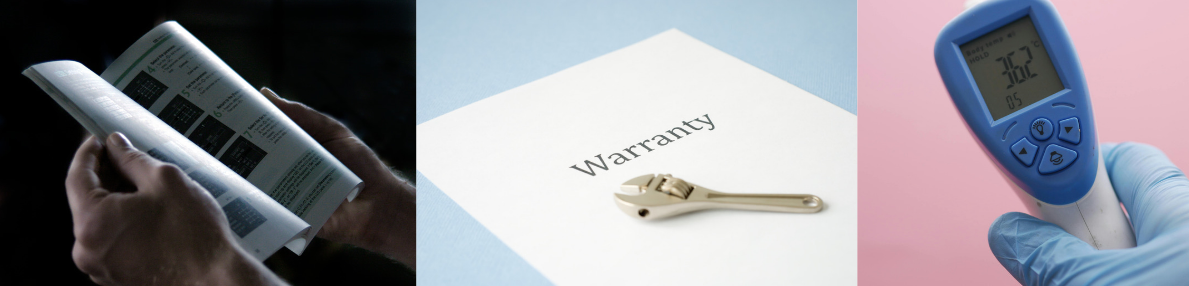
Before using any new refrigeration cabinet,counter, freezer or display unit, we strongly recommend reading the manufacturer's instructions thoroughly and retaining them for future reference. Failure to follow the manufacturer's operating, cleaning and maintenance guidance may affect performance and could invalidate warranty cover.
In line with food safety regulations and HACCP procedures, the temperature of refrigeration equipment should be monitored and recorded regularly.
Do not rely solely on the temperature displayed on the cabinet controller. Independent temperature checks should be carried out using a calibrated probe thermometer to verify product temperatures and ensure food is being stored safely.
For best practice:
Take temperature readings at various locations within the cabinet.
Maintain temperature records in accordance with your food safety procedures.
Investigate and resolve any significant temperature deviations immediately.
Ensure cabinet temperatures remain within the manufacturer's recommended operating range.
Common Commercial Refrigeration Operating Issues
Performance issues are most likely to occur during:
Periods of high ambient temperature
Hot and humid weather conditions
Busy service periods
Times of frequent door opening
Periods when cabinets are heavily loaded
These conditions can place additional demands on the refrigeration system and may affect cabinet performance if equipment is not operated within the manufacturer's specified limits.
To maintain optimum performance:
Avoid unnecessary door opening.
Use night blinds or protective screens on display and serve-over counters where fitted.
Follow the manufacturer's cleaning and maintenance schedules.
Ensure condenser coils and ventilation areas are kept clean.
Confirm the appliance has been installed correctly with adequate ventilation clearances.
Operate the cabinet only within the manufacturer's stated ambient conditions.
Avoid overloading shelves or obstructing internal air circulation.
Precautionary Measures During Periods of Non-Use
If refrigeration equipment will not be used for an extended period (typically more than 15 days, or as specified by the manufacturer), take the following precautions
Switch off the appliance.
Disconnect the electrical supply where appropriate and safe to do so.
Thoroughly clean the interior, shelves, trays, runners and supports.
Pay particular attention to corners, drainage areas and door gaskets.
Leave the door slightly open to prevent odours, mould growth and moisture build-up.
Restarting Equipment After Prolonged Disuse
Before returning the appliance to service:
Thoroughly clean and sanitise the cabinet.
Inspect door seals for damage or deterioration.
Check thatall shelves, runners and fittings are correctly installed.
Verify that controls, alarms and temperature displays are functioning correctly.
Allow the cabinet to reach the required operating temperature before loading products and confirm temperature using an independent device.
Refer to the manufacturer's instruction manual for model-specific start-up procedures.
Routine Maintenance & Servicing
Regular preventive maintenance is essential to maximise reliability, efficiency and equipment lifespan, this will also save money due to improved running efficiency.
We recommend:
Routine cleaning in accordance with the manufacturer's instructions.
Regular inspection of door gaskets, hinges and moving components.
Cleaning condenser coils at the intervals specified by the manufacturer.
Prompt investigation of alarms, warning indicators or performance issues.
Proper maintenance helps reduce running costs and ensure consistent temperatures, reduces energy consumption and minimises the risk of costly breakdowns.